About 5.5m expat Brits live overseas, with Australia, the USA and Canada popular places where they’ve found a new home and life, driven by a shared language, cultural similarities, good job opportunities, an attractive climate and lifestyle.
Many Brits also head for Spain and France, of course, which can also offer better weather, food and lifestyle, while only being a short flight away when you want to visit friends and family back in the UK. Both can be great places for Brits to retire. In recent years, increasing numbers of Brits have relocated to Dubai, too.
Tax is a key consideration for those who choose to live outside of the UK but receive income from UK sources. Here are the answers to 15 frequently asked questions about UK tax for expats and non-residents, helping your understand what you need to know about UK tax and how to handle it while living aboard.
1. Do I still pay UK tax if I’m non-resident?
A: You usually have to pay UK tax on your UK income – even if you’re not UK resident for tax. UK income can include rental income, pension, wages and savings interest. Non-residents don’t usually pay UK tax on the UK state pension or interest from UK government securities (ie gilts).
2. What about paying tax on savings interest and investments?
Income Tax is no longer automatically taken from interest on savings and investments. If taxable, you’ll need to report to HMRC so that the tax you owe can be calculated. You may get up to £5,000 of interest and not have to pay any UK tax on it. This is your starting rate for savings. The more you earn from other income sources, the lower your starting rate for savings.
3. What if I’m planning to move to live overseas permanently?
A: You must tell UK tax authority HMRC that you’re leaving the UK to live abroad permanently or going to work abroad full-time for at least one full tax year (6 April to 5 April). You also need to let your local council know if you’re leaving the UK to live overseas, so that you’re not charged Council Tax. Your UK citizenship will not be affected by moving and you can usually vote in UK elections.
4. How do I tell HMRC that I’m planning to leave the UK?
A: If you usually complete a Self Assessment tax return, for example, to report income from self-employment or rent, you’ll also need to complete and file the SA109 supplementary pages to report your residence and domicile status.
If you don’t normally complete a Self Assessment tax return and you’ve already left the UK, you need to fill in form P85 online. If you’re still in the UK, fill in form P85 offline and include Parts 2 and 3 of your P45 (you’ll get this if you leave your UK job).
5. What is the Statutory Residence Test?
A: The Statutory Residence Test (SRT) determines whether you’re resident in the UK for tax. The number of days you spend in the UK is key to your residence status under the SRT. You’re usually non-resident for UK tax purposes if in the tax year you:
- spent less than 16 days in the UK (or 46 days if you’ve not been a UK resident for the three previous tax years)
- worked abroad full-time (averaging at least 35 hours a week) and spent less than 91 days in the UK and no more than 30 of them working in the UK.
Visit government website GOV.UK for more information about the SRT >>
6. How do I pay UK tax?
A: Via Self Assessment, the system HMRC uses to collect Income Tax from sole traders, landlords and others, including expats/non-residents. You need to complete a Self Assessment tax return, although from April 2026, a new digital recording and reporting system called Making Tax Digital for Income Tax is being introduced for those with gross trading or rental income about £50,000 a year. From April 2027 the threshold drops to £30,000 and then £20,000 in April 2028.
7. How do I register for Self Assessment?
A: If you need to report taxable UK income to HMRC and you don’t already file a Self Assessment tax return, you must register by 5 October following the UK tax year (5 April until 6 April) in which you earned UK taxable income, otherwise, you can be fined. Each year, the Self Assessment tax return online-filing deadline is midnight on 31 January. Miss it and there’s an immediate £100 fine, which increases after three months, and again after six. You can file any time after the UK tax year ends on 5 April.
8. What tax return forms will I need to complete and file?
A: If you live overseas and receive taxable UK income, each year you must file a Self Assessment tax return (the eight-page SA100 form), plus the SA109 supplementary pages (to report your residence and domicile status).
If you receive taxable rental income, you’ll also need to complete the SA105 supplementary pages. If you’ve earned taxable UK income from self-employment, you’ll also need to file the SA103 supplementary pages. There can be other supplementary pages to complete, depending on how you earn or receive UK taxable income. Each provides HMRC with more detailed information about income and expenses from specific sources.
9. Can I file my tax return online from overseas?
A: You won’t be able to file your tax returns using HMRC online services, you must use commercial tax return-filing software or get a UK-based accountant to do it for you, which will of course involve having to pay a fee. Doing it yourself is cheaper and is reasonably easy.
10. Will I get Personal Allowance on my UK income?
A: If you’re eligible for a Personal Allowance (a tax-free allowance worth £12,570 a year) you only pay Income Tax on income above that figure. If you’re not eligible (eg if your annual income is £125,140 or higher), you’ll pay tax on all of your UK income.
You’ll get a Personal Allowance if you’re a citizen of a European Economic Area country (including British passport-holders) or you’ve worked for the UK government during that tax year. You may also get it if it’s included in the double-taxation agreement between the UK and the country where you now live.
11. What does “double taxation agreement” mean?
A: You can be taxed on your UK income by HMRC and the tax authority in the country where you’re now resident. However, if there is a double-taxation agreement between the UK and that country, you can apply for partial/full tax relief before you’ve been taxed or get a tax refund after you’ve paid.
12. How much UK tax will I pay?
A: The amount of UK income tax you pay is determined by the income tax band into which your total UK taxable income falls.
| Band | Taxable income | Tax rate |
|---|---|---|
| Personal Allowance | Up to £12,570 | 0% |
| Basic rate | £12,571 to £50,270 | 20% |
| Higher rate | £50,271 to £125,140 | 40% |
| Additional rate | More than £125,140+ | 45% |
13. Do I pay UK tax on foreign income?
A: If you live overseas but you’re UK-resident for tax, yes, you’ll pay UK tax on taxable overseas income. If you’re non-resident for tax, usually you won’t.
14. When do I pay my UK tax bill?
A: After you’ve filed your Self Assessment tax return and supplementary pages HMRC will tell you how much tax you owe. The deadlines for paying your tax bill are: 31 January for any tax you owe for the previous tax year (called a balancing payment) and your first payment on account (payment towards your next tax bill); then 31 July for your second payment on account (which completes your payment).
15. What if I don’t pay UK tax on UK income?
A: If you fail to report income that’s taxable in the UK, for example, you receive rental income from renting out property in the UK, and HMRC finds out about it, you’ll have to pay any tax due, as well as a penalty – which can be twice the amount of tax you owe. You can also be prosecuted for providing false information to HMRC.
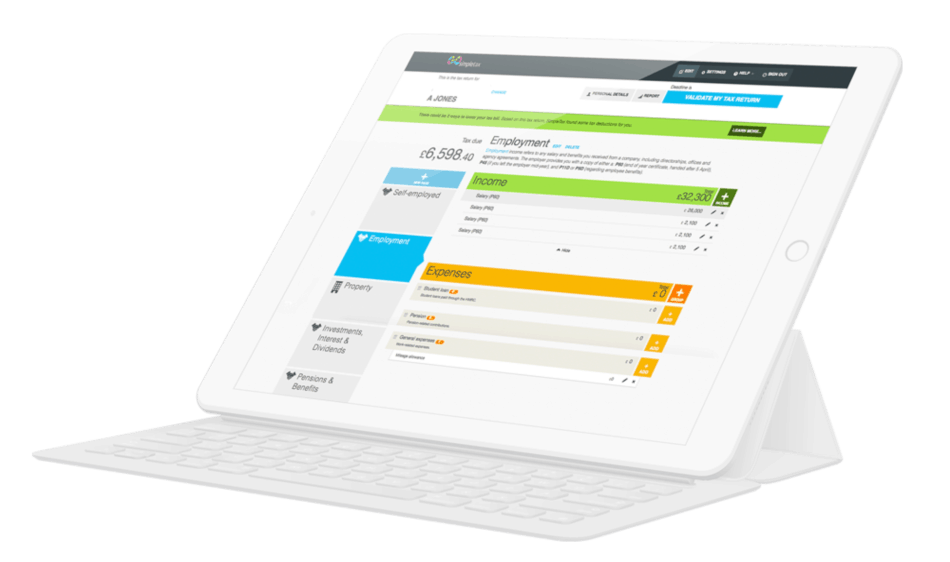
GoSimpleTax is award-winning software that makes it quick and easy to complete and file your Self Assessment tax return, SA109 and other supplementary pages from overseas. It can also prevent you from making basic tax return errors that can later cost you time and money. Many expat Brits already use, trust and love GoSimpleTax. Start your FREE trial today!
Blog content is for information purposes and over time may become outdated, although we do strive to keep it current. It's written to help you understand your Tax's and is not to be relied upon as professional accounting, tax and legal advice due to differences in everyone's circumstances. For additional help please contact our support team or HMRC.

5 Excellent Reasons to Choose Us to File Your Tax Return
Discover how to make tax returns a doddle...
Find out moreSelf Assessment and MTD Tax Returns: What £50K Earners Need to Know
02 Jun 2026
What happens after I file my Self Assessment tax return?
11 May 2026
What’s Changing Under the UK’s New Foreign Income Rules in 2026?
08 Apr 2026