If you earn money from creating content online, be it through YouTube, TikTok, Instagram, streaming, podcasting or brand partnerships, you may need to complete a Self Assessment tax return in the UK.
Don’t worry if you’re feeling a little confused – changing monthly earnings, a range of expenses, tax industry jargon and multiple income streams can be difficult to get your head around. But that’s where GoSimpleTax comes in.
And in this guide, we’ll explain what you need to file, what income to declare, the expenses you can claim and how to submit your tax return easily.
Do content creators need to file a tax return?
In most cases, yes. This is because you usually need to file a tax return if you earn more than £1,000 per tax year from self-employment. This includes:
- Sponsored content
- Brand collaborations
- Affiliate marketing
- Ad revenue
- Subscription income
- Gifts received in exchange for promotion
- Digital product sales
Even if content creation is your side hustle alongside employment, you may still need to register for Self Assessment.
When do content creators need to register for Self Assessment?
You must register for Self Assessment by the 5th of October following the end of the tax year in which you started earning.
So, if you earned income during the 2025/26 tax year, you must register by 5th October 2026.
Once registered, HMRC will send you a Unique Taxpayer Reference (UTR) number so you can submit your return.
What income do content creators need to declare?
You must declare all income related to your content creation. This includes:
1. Brand deals and sponsorships
Payments from companies for:
- Sponsored posts
- Product promotions
- Affiliate campaigns
- Paid reviews
2. Platform income
Revenue from:
- YouTube ads
- TikTok Creator Fund
- Instagram bonuses
- Podcast advertising
3. Affiliate commissions
Income from affiliate links and referral programmes.
4. Subscriptions and fan support
Payments from:
- Membership platforms
- Fan donations
5. Free products and gifted items
If you receive free products or services in exchange for promotion, these are considered taxable income at market value.
What expenses can content creators claim?
Claiming allowable expenses reduces your taxable profit, meaning you pay less tax. But to claim an expense, it must be exclusively for business purposes. This might include:
Equipment & technology
- Cameras
- Microphones
- Lighting
- Tripods
- Memory cards
- Computers and laptops
- Mobile phones (business proportion)
Software and subscriptions
- Editing software
- Design tools
- Scheduling platforms
- Stock image libraries
- Website hosting
- Email marketing tools
Internet and phone bills
- Business portion of broadband
- Business phone usage
Home office costs
- Heating
- Electricity
- Rent or mortgage interest (business proportion)
- Council tax (business proportion)
Travel and transport
- Mileage
- Public transport
- Parking
- Accommodation for business trips
Clothing and costumes (only if it’s specifically for content creation)
- Costumes
- Branded outfits
- Specialist clothing for filming
Marketing and advertising
- Paid ads
- Influencer outreach tools
- Graphic design services
Props and content materials
- Set design items
- Filming props
- Craft materials
- Studio hire
You generally can’t claim expenses for:
- Normal everyday clothing
- Personal grooming or make-up (unless for specialist performance use)
- Personal meals
- Private travel
- Gym memberships
- Non-business entertainment
How much tax do content creators pay?
Your total tax depends on your total annual income, your expenses and whether content creation is your main job or side hustle.
How to file your tax return as a content creator
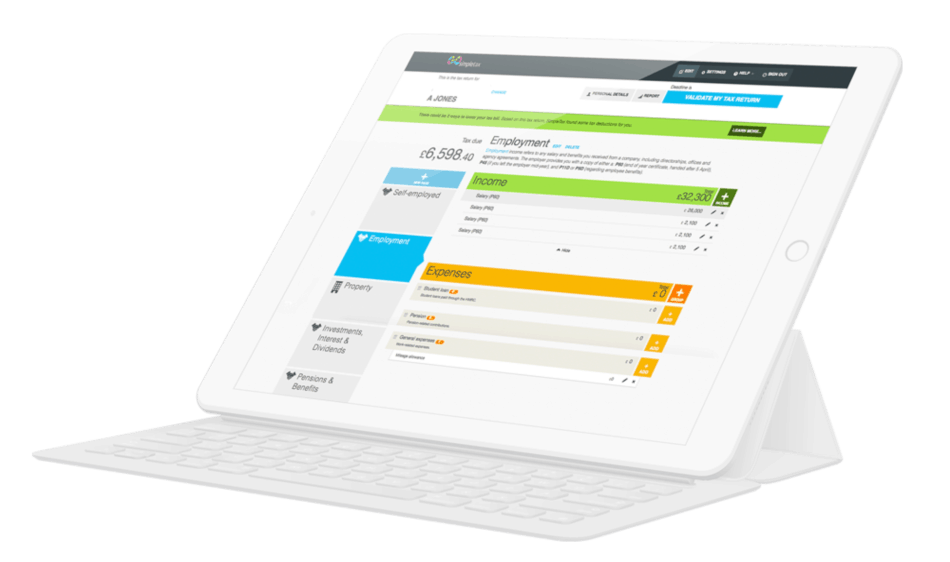
You can file your tax return in a few simple steps by using tax software like GoSimpleTax. In fact, using software like ours:
- Guides you through each section
- Automatically calculates tax
- Checks for errors
- Helps you maximise allowable expenses
- Submits directly to HMRC
What’s more, from April 2026, many self-employed people including content creators will also need to follow Making Tax Digital for Income Tax rules. This means keeping digital records, sending quarterly updates to HMRC and filing using MTD-compatible software. Thankfully, we have just the thing!
Top tips for staying tax compliant as a content creator
- Keep digital records of all income and expenses
- Save invoices, receipts and bank statements
- Use separate business bank accounts if possible
- Track earnings monthly
- Set aside money for tax
Invest in GoSimpleTax today
Being a content creator means managing creativity and business – and understanding your tax responsibilities is essential to stay compliant and avoid penalties.
What’s more, with the right tools and guidance, filing your tax return doesn’t have to be stressful. And whether you’re a full-time influencer or earning money on the side, GoSimpleTax helps make the process simple, fast and accurate.
Blog content is for information purposes and over time may become outdated, although we do strive to keep it current. It's written to help you understand your Tax's and is not to be relied upon as professional accounting, tax and legal advice due to differences in everyone's circumstances. For additional help please contact our support team or HMRC.

5 Excellent Reasons to Choose Us to File Your Tax Return
Discover how to make tax returns a doddle...
Find out moreSelf Assessment and MTD Tax Returns: What £50K Earners Need to Know
02 Jun 2026
What happens after I file my Self Assessment tax return?
11 May 2026
What’s Changing Under the UK’s New Foreign Income Rules in 2026?
08 Apr 2026