Selling an asset for more than you paid for it can be exciting but it could also mean you have to pay tax. And while Self Assessment is typically associated with self-employed workers, you might also need to complete a tax return if you fall into the capital gains bracket.
Here, we look at what happens when you sell a second property, shares or even cryptocurrency and reveal how to avoid unexpected bills and penalties.
What is Capital Gains Tax?
Capital Gains Tax is a tax that you might need to pay when you sell or dispose of an asset that has increased in value. It’s the gain or profit that’s taxed, not the total amount you receive from the sale. It typically includes second homes and buy-to-let properties, shares and investments, cryptocurrency, business assets and valuable possessions like artwork and jewellery.
Do I need a tax return for Capital Gains Tax?
Whether you need to complete a Self Assessment tax return depends on your circumstances. You may need to file a return if you:
- Have taxable capital gains to report
- Need to declare gains alongside other income
- Already complete Self Assessment for another reason such as self-employment or rental income
However, not every capital gains requires you to submit a Self Assessment. Some gains can be reported using HMRC’s online Capital Gains Tax reporting service.
Common situations where people need to report Capital Gains
Some of the most common instances where people need to report capital gains include:
Selling a second property
Capital Gains Tax applies when you sell a buy-to-let, holiday home or another property that isn’t your main residence. This includes properties you may have inherited.
You don’t usually have to pay Capital Gains Tax when you sell your main home as long as the property has been your only or main residence. Capital Gains Tax will apply if you’ve:
- Let part of the property
- Used part of it exclusively for business purposes
- Owned particularly large grounds
- Lived elsewhere for significant periods
Selling shares
If you’ve sold investments, employee shares or part of a stock portfolio, you might have a capital gain that needs to be reported.
Selling cryptocurrency
HMRC generally treats cryptocurrency as an investment asset. This means that selling, exchanging or spending it can create a taxable capital gain.
Selling valuable items
You may also need to consider Capital Gains Tax when selling valuable personal possessions such as artwork, antiques, jewellery and collectibles.
Reporting Capital Gains Tax return
Wondering how to declare capital gains to HMRC? It’s relatively simple and involves these steps:
- Calculate your capital gain
- Deduct allowable costs and expenses
- Apply any available exemptions or reliefs
- Report the gain to HMRC through the appropriate method
- Pay any tax due by the relevant Capital Gains Tax deadline
Depending on the type of asset and your circumstances, you may report your gain through your Self Assessment tax return or another HMRC reporting service.
How is Capital Gains Tax calculated?
Remember, Capital Gains Tax is based on the profit you make, not the sale price. For example:
- Purchase price: £20,000
- Sale price: £35,000
- Capital gain: £15,000
What’s more, you may be able to deduct allowable costs from the capital gain amount before calculating the tax due.
Common Capital Gains Tax mistakes to avoid
Capital Gains Tax can seem a little overwhelming, especially if you’ve never completed a tax return before but knowing some of the most common mistakes can make it simpler to understand:
- Assuming PAYE means you don’t need to report gains
- Forgetting about gains from shares or investments
- Missing reporting or payment deadlines
- Failing to keep purchase and sale records
- Confusing the sale proceeds with the taxable gain
One of the most important things you can do is keep accurate records and understand your responsibilities to avoid unnecessary penalties.
Can GoSimpleTax help with Capital Gains Tax returns in the UK?
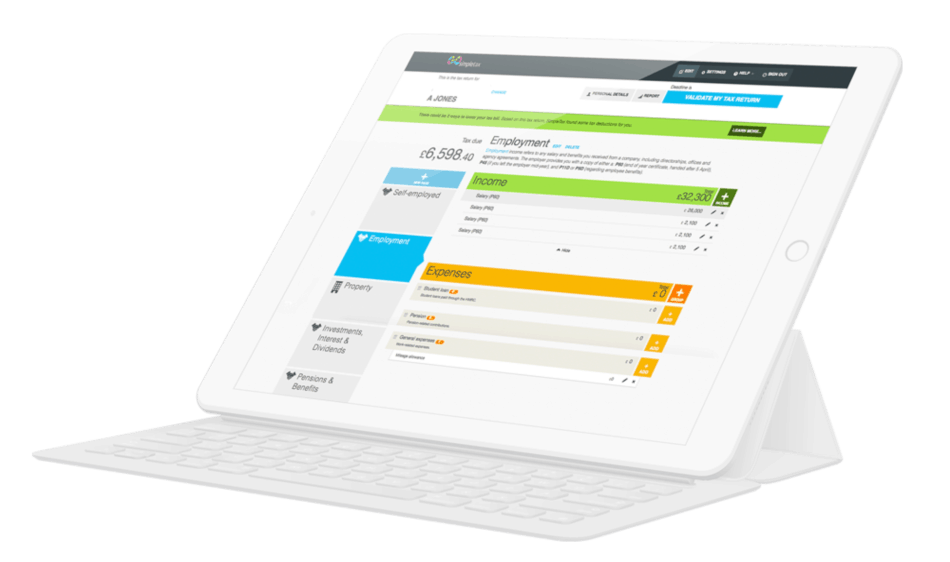
If you need to complete a Self Assessment tax return that includes Capital Gains Tax, GoSimpleTax can help. Our easy-to-use tax return software walks you through completing your return, declaring capital gains alongside other income and helps you to submit directly to HMRC with confidence. That’s just the start too. So, why not see why thousands of others trust GoSimpleTax to keep their financial responsibilities easy and try it out today? Start your free trial now.
Capital Gains Tax FAQs
-
Do I need to report capital gains on self assessment?
Not always. Some capital gains can be reported separately to HMRC while others must be included on a Self Assessment tax return. It depends on your circumstances.
-
How do I declare capital gains to HMRC?
You’ll need to calculate your gain, apply any allowable deductions or reliefs and then report it through the correct HMRC reporting method.
-
Potentially. If you’ve made a taxable gain above any allowable deductions or reliefs, you may need to report and pay Capital Gains Tax.
-
Do I need to report any cryptocurrency gains?
Yes, if you’ve made taxable gains from selling, exchanging or disposing of crypto assets you need to report them to HMRC.
-
Do I need a tax return if I sell a second property?
Selling a second property or buy-to-let that isn’t your main residence can create a Capital Gains Tax reporting obligation. You may also need to complete a Self Assessment tax return depending on your circumstances.
Blog content is for information purposes and over time may become outdated, although we do strive to keep it current. It's written to help you understand your Tax's and is not to be relied upon as professional accounting, tax and legal advice due to differences in everyone's circumstances. For additional help please contact our support team or HMRC.

5 Excellent Reasons to Choose Us to File Your Tax Return
Discover how to make tax returns a doddle...
Find out moreSelf Assessment and MTD Tax Returns: What £50K Earners Need to Know
02 Jun 2026
What happens after I file my Self Assessment tax return?
11 May 2026
What’s Changing Under the UK’s New Foreign Income Rules in 2026?
08 Apr 2026