The idea of Self Assessment can be daunting, especially if you’re self-employed or freelancing for the first time. But with the right guidance and tools, it can be straightforward. That’s where we come in with our guide that walks you through the whole process. In it, you’ll find tips and tricks in plain English to help you avoid mistakes, understand all that jargon and stay on top of deadlines. In fact, our aim is to make filing simpler, quicker and less stressful so you can focus on growing your business.
Understanding the Basics
What is Self Assessment?
Self Assessment is how HMRC collects tax from those individuals whose income isn’t taxed at source. This includes self-employed people, freelancers, company directors, landlords and those who receive income from savings or investments. If you fall under any of these categories, it’s your legal responsibility to declare your income and pay the correct tax.
Who needs to file?
You must file a Self Assessment if you:
- Are self-employed or a freelancer and earn more than £1,000 in a tax year
- Have untaxed income like rental income, tips or dividends
- Are a company director or have income from savings, investments or capital gains
- Started self-employment in the last tax year (even if your earnings are less than £1,000)
Unsure whether you meet the criteria? Check out our self assessment blog article.
Key Concepts to Know About
Taxable income
Also known as your taxable profit, this is your total income minus any allowable expenses. This is what HMRC uses to calculate your tax bill.
Allowable expenses that you can claim
The list of allowable expenses is detailed but includes travel costs, office and software bills, home office expenses, marketing and advertising fees and professional fees. If you earn £25,000 as a freelancer and spent £5,000 on allowable expenses, your taxable profit would be £20,000.
Income tax bands
For the current tax year, income tax rates and personal allowances are as follows:
| Band | Taxable income | Tax rate |
|---|---|---|
| Personal Allowance | Up to £12,570 | 0% |
| Basic rate | £12,571 to £50,270 | 20% |
| Higher rate | £50,271 to £125,140 | 40% |
| Additional rate | More than £125,140+ | 45% |
UK tax year dates timeline
Staying on top of key dates is crucial as missing deadlines can lead to penalties and fines. So, make a note of these dates in your diary:
- Tax year: 6 April – 5 April
- Register as self-employed: By 5 October after your first tax year
- Paper return submission: 31 October
- Online return submission: 31 January
- Payment deadlines: 31 January (balance of tax & Class 2 NICs) and 31 July (second payment on account, if applicable)
If you file late, you’ll get the following fines:
- an initial £100 penalty
- after 3 months, additional daily penalties of £10 p/day, up to a maximum of £900
- after 6 months, a further penalty of 5% of the tax due or £300, whichever is greater
- after 12 months, another 5% or £300 charge, whichever is greater
Getting Started
Before you file, it’s wise to gather all the information and documents you need. This includes your:
- Unique Taxpayer Reference (UTR) – issued to you by HMRC after registration
- National Insurance number
- Income records: invoices, bank statements and any other data you have
- Expense records: receipts, invoices and statements for allowable costs
Top tip: Keep everything organised in a spreadsheet or accounting software to make filing easier.
And if you’re looking for a handy list to help you prepare, check out our Self Assessment checklist.
Step-by-Step Self Assessment Filing Process
Before you start filing, you need to have registered with HMRC as self-employed if it’s your first year. HMRC will then send your UTR number. This usually comes via post and can take up to 10 days so be sure to do this in good time. While you’re waiting, begin collecting all records of income, expenses and any other relevant information. Once you have all of this, it’s time to file.
Remember, if you have income through self-employed, rental properties or capital gains, you’ll need to complete the SA100 main form and supplementary pages. With all your information uploaded, you can then submit and pay your bill. Those who file online can enjoy faster processing and automatic calculations of what they owe. Plus, it reduces the risk of errors.
Common mistakes to avoid
- Not claiming all allowable expenses: even the smallest of costs can mount up
- Mixing personal and business spending: keep a separate account for business
- Missing deadlines: use reminders or tax software notifications to avoid fines
- Incorrect figures: be sure to check invoices, receipts and bank statements
Find out more mistakes to avoid.
Getting Help
When it comes to Self Assessment and anything tax-related, there are plenty of resources online. This includes HMRC’s very own helpline and webchat. They also have plenty of official guides and host regular webinars in the run up to important deadlines. Accountants and tax advisors can also provide advice but they typically charge for this, depending on the complexity of your enquiry.
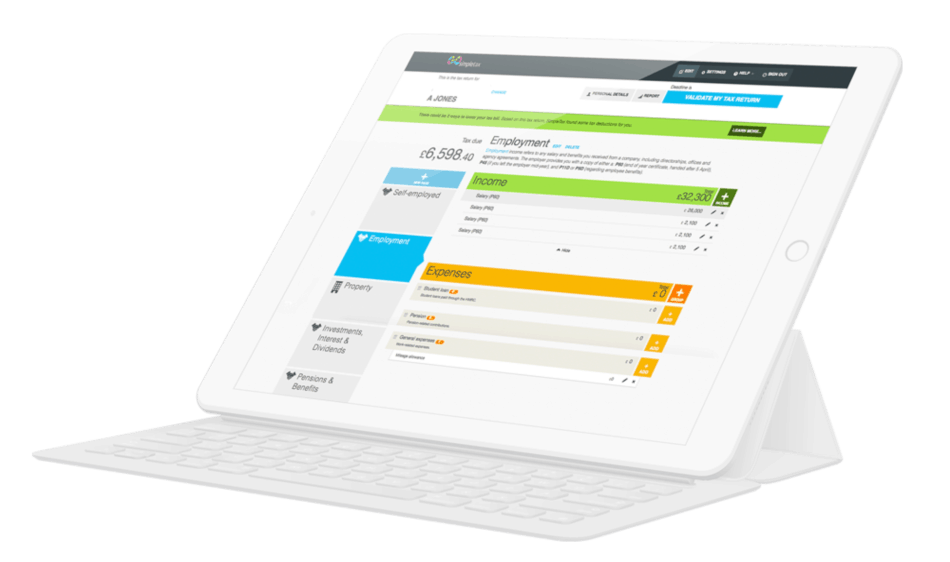
And then there’s GoSimpleTax. Our software helps you file correctly, claim expenses and calculate your payments automatically. This means you can save time, reduce stress and avoid any errors. So why not try today?
Self Assessment FAQs
Do I need to pay tax if my freelance income is under £1,000?
Most likely not thanks to the tax-free trading allowance.
Can I claim home office expenses?
Yes, you can claim a proportion of household costs if you work from home.
What if I freelance alongside full-time employment?
You still need a Self Assessment for your self-employed earnings.
Got any other questions? Head to our blog to find the answers.
Next Steps
When it comes to filing your Self Assessment, you have a few options: do it yourself, hire an accountant or use tax software. The latter not only takes the hassle out of the process but doing it way before the deadline reduces stress and means you can avoid any last-minute penalties. So, what are you waiting for? Try GoSimpleTax for FREE today.
Blog content is for information purposes and over time may become outdated, although we do strive to keep it current. It's written to help you understand your Tax's and is not to be relied upon as professional accounting, tax and legal advice due to differences in everyone's circumstances. For additional help please contact our support team or HMRC.