If you’re a subcontractor, it’s likely you’ll need to register for the Construction Industry Scheme (CIS). This scheme requires the submission of a Self Assessment tax return,including details of your CIS income and the amount of tax deducted by the paying contractor.
Although this initially sounds like a difficult way of calculating the tax owed, it’s simple once you get to grips with the basics. We’ll cover the necessities you need to know, as well as how you can easily claim a CIS refund if you’re owed one.
Registering for the CIS scheme
You’ll need to register as a subcontractorif you receive income where tax has been deducted under the CIS scheme. You’ll need your business or trading name, your National Insurance number, the unique taxpayer reference number for your business and your VAT registration number if applicable.
The majority of work you’ll carry out as a subcontractor comes under CIS, however there are a few exclusions if your work entails only certain jobs. These include carpet fitting, architecture and surveying, and being based at a site but not carrying out construction-related work,e.g. site facilities. Unsure whether your contract’sexempt?This guide has a comprehensive list.
Payments to HMRC
Registering for the CIS scheme will result in tax being deducted by the paying contractor from the payments they make to you.CIS tax is normally deducted from your labour charges. Items such as the Construction Industry Training Board levy, VAT, materials, consumable stores, plant rental, and manufacturing or pre-fabricating materials should all be paid to you without a CIS tax deduction.
If the business or trading name given to HMRC is not identical to the one provided to the contractor, then HMRC may tell the contractor to deduct the higher rate of 30%. Failure to register as a subcontractor will also result in the 30% CIS deduction instead of the standard rate of 20%.
On a monthly basis, contractors will need to either tell HMRC they have made no payments or send them a return that includes details of payments and any deductions withheld. They will also issue you with a tax deduction certificate that must be retained to verify the tax you have had deducted under the CIS scheme.
Is there an easier way to claim a refund?
As a self-employed subcontractor, you will be required to complete a Self Assessment tax return. On this return you need to declare all your self-employed income and expenses, along with any tax you have had deducted under the CIS scheme. This can often result in a refund of overpaid tax.
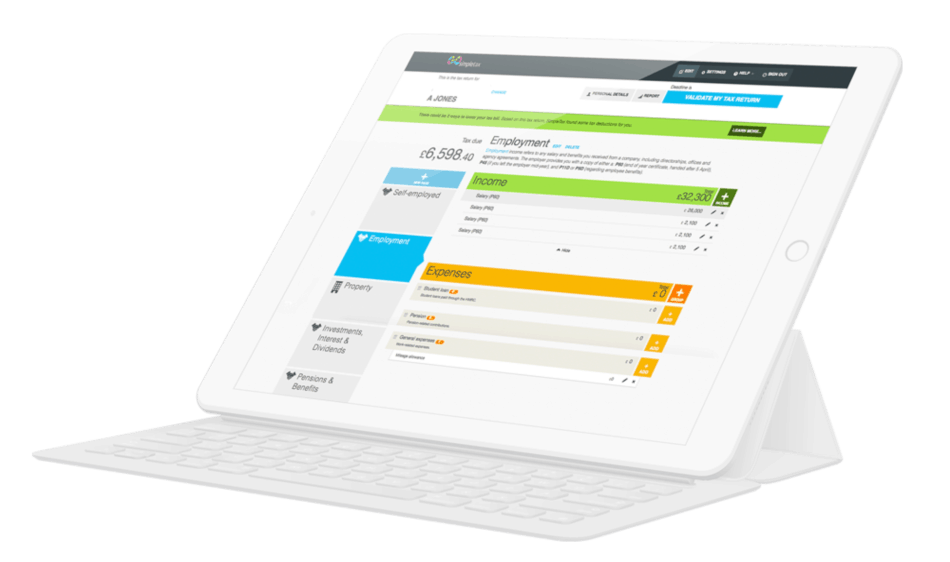
GoSimpleTax software was built with subcontractors in mind, and does the hard work so you don’t have to. Your Self Assessment submission will be made quick and easy with SimpleTax. To test the software’s features, try a 14-day free trial.
Blog content is for information purposes and over time may become outdated, although we do strive to keep it current. It's written to help you understand your Tax's and is not to be relied upon as professional accounting, tax and legal advice due to differences in everyone's circumstances. For additional help please contact our support team or HMRC.

5 Excellent Reasons to Choose Us to File Your Tax Return
Discover how to make tax returns a doddle...
Find out moreSelf Assessment and MTD Tax Returns: What £50K Earners Need to Know
02 Jun 2026
What happens after I file my Self Assessment tax return?
11 May 2026
What’s Changing Under the UK’s New Foreign Income Rules in 2026?
08 Apr 2026